Jason Truempler
Katahdin/Dorper mixed breed haired sheep
I own and breed a small amount of crossbred hair sheep - katahdin/dorper mixed sheep. People often say these sheep have "Hybrid Vigor" (although nor "true" hybrids) by crossing the two breeds produces offspring that are often more vigorous, grow faster, and are more fertile than purebreds.
These sheep are made for commercial meat production, they can grow EXTREMELY fast, and reach market weight quickly. The dorper are haired sheep made specifically more meat production with heavier carcasses. Katahdins are good mothers usually with good parasite resistant. Bothe breed with browse for leaves and weed not only eat grass. These sheep can also so well in very hot summers or cold winters with their thick winter coats.
Some of theses sheep don't shed out perfectly and that's perfectly ok and normal. They still don't always have to be sheared like a true 100% wool sheep, many shed out most of their coat by summer or so. Some may need to be sheared-or you can also pull/brush their coats out (take a LONG time that way).
I can also milk some of my sheep-some of my mixed breeds have been more docile and easier to handle (although I'm sure there are many pure breds that are great- I haven't been blesses with those yet). I prefer this mixed breed over pure bred katahdins or pure bred dorpers for many reason and have owned all of the above somewhat. More genetics just is always a better animal in any species, including dogs. That will never change.
These animals will be raised as breeding stock (currently) and some extra rams for meat production. I will also skin sheep and tan their hides for blankets and rugs. None of the animal will be wasted. I will also be cutting the bones and freezing them for dog treats/chew toys. Some of the meat will also go to the dogs, as they do best when they have fresh cooked meat as part of their diet.
Our sheep are rotationally grazed some, and our sheep have many purposes. Meat, hides, and bones-sure, but also they offer fire fuel suppression - which in this dry grassy place is needed. They also reduce long grass cover for rattle snakes - which can be very dangerous and are common here. It's a lot easier to see where your walking with he grass grazed down than otherwise. Snakes can be a real problem if the grass is too tall. With small children, and me myself, I don't want to be walking on top of them.

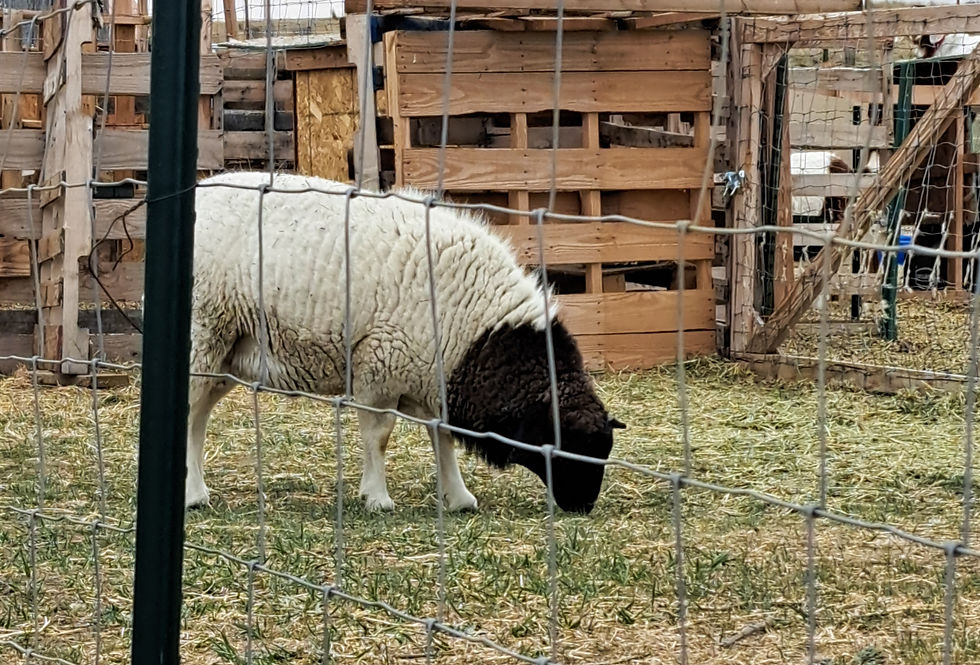
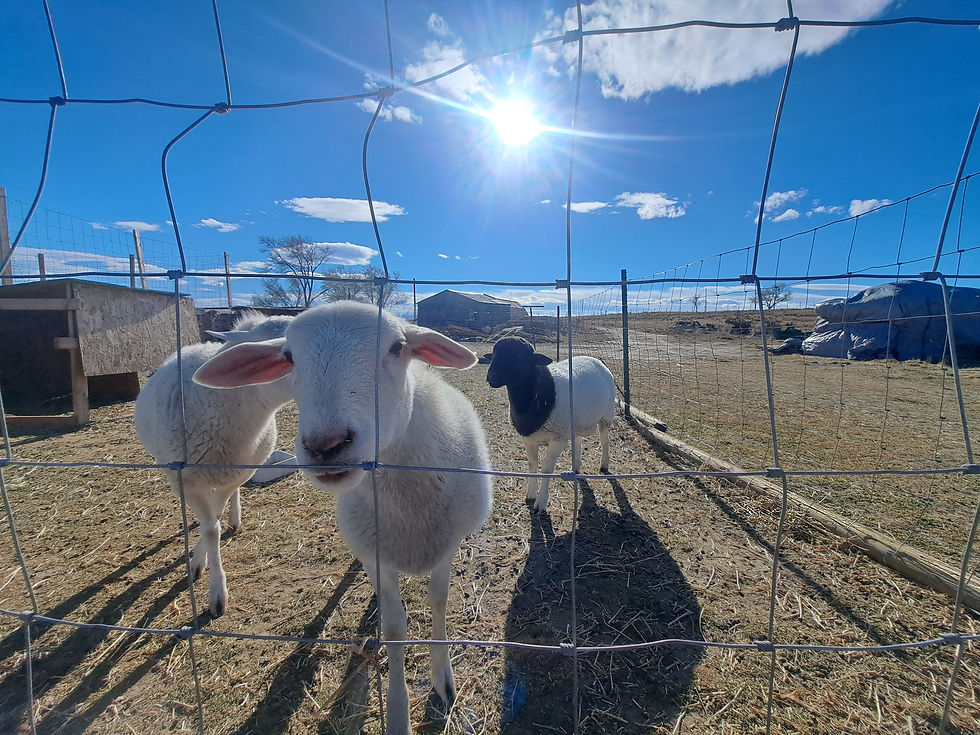
Katahdin/Dorper cross haired sheep
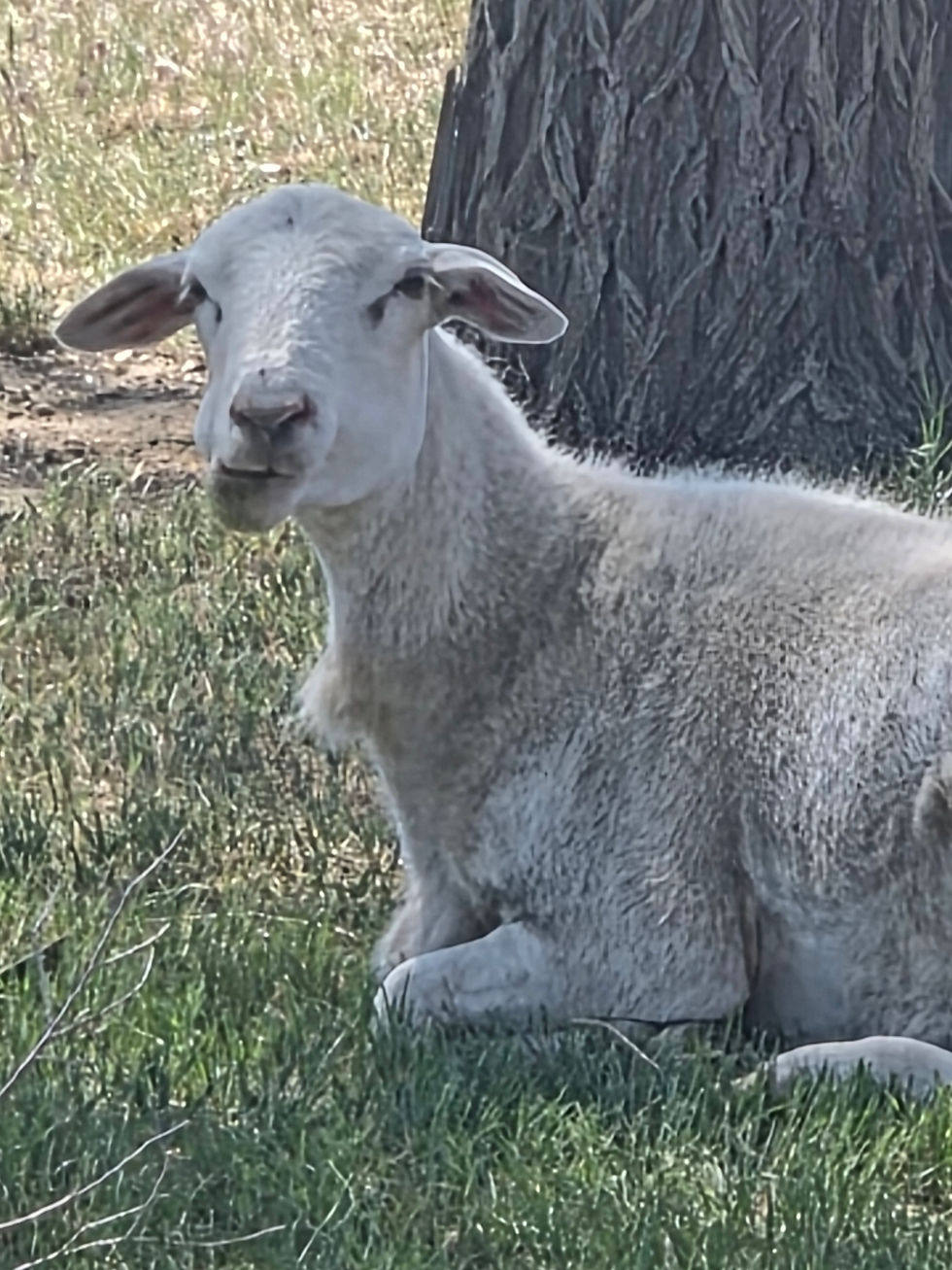
Note: This mom is a katahdin sheep- I no longer have any pure bred katahdins. I still have the ewe baby, "Black Dreamer." She is a crossbed of katahdin to a dorper ram, in some of the other pictures. I no longer have pure bred dorpers, either at this time.
Vision
To have multiple use animals on a small homestead. The provide milk, meat, hides/pelts, and bones. They offer fire suppression, rattle snake habitat reduction, dog exercise, mental stimulation for working dogs. They do not require shearing although some may need help shedding. They are not as loud as goats, and do not cause any where near as much destruction or stress as goats do! The sheep also stay penned well and move well for the dogs (goats will NOT). Sheep sell for about $3/lb. at market auction right now and are in short supply at the moment. Lamb meat, sold directly to the buyer, sells for about $16 a pound (not including processed). Haired lamb meat is supposed to be less gamey because they have less lanolin in their hide. I haven't eaten any yest (it takes years sometime to produce your own meat, at times) so I can say yet. We are buying some ram lamb we plan to butcher also soon.
More on the katahdin/dorper:
Because both the Dorper and the Katahdin are hair sheep, this mix is highly popular for specific, intentional benefits:
-
Hybrid Vigor: Crossing the two breeds produces offspring that are often more vigorous, grow faster, and are more fertile than purebreds.
-
Balanced Traits: This cross combines the exceptional mothering instincts, hardiness, and parasite resistance of the Katahdin with the superior muscle conformation and rapid growth of the Dorper.
-
Self-Shedding: Since both are hair sheep, the resulting lambs will typically shed their winter coats naturally, meaning they do not require shearing.
Because of their excellent meat production and low-maintenance characteristics, Dorper-Katahdin crosses are widely sought after by commercial producers and homesteaders alike.
The pure bred dorper does have a thicker coat..and they say it's a haired sheep, but the Dorper also comes from a cross that has wool geneticist, so some Dorpers don't shed out as well. Some of these sheep and mixes still need help shedding their entire coat at times, some need a a partial shearing or to pull out the coat. All the pure bred haired sheep and these mixes vary widely in how much they shed. I've decided just because they don't shed perfectly (these sheep can be harder to come buy here in small numbers for a small acreage) doesn't mean they provide any less quality meat. So I am buying not perfectly shedding sheep. I dont mind dealing with there coats when needed. Some need it, some don't. They have great temperaments too, some of the mixed breed haired sheep. I like them more than pure bred haired sheep.